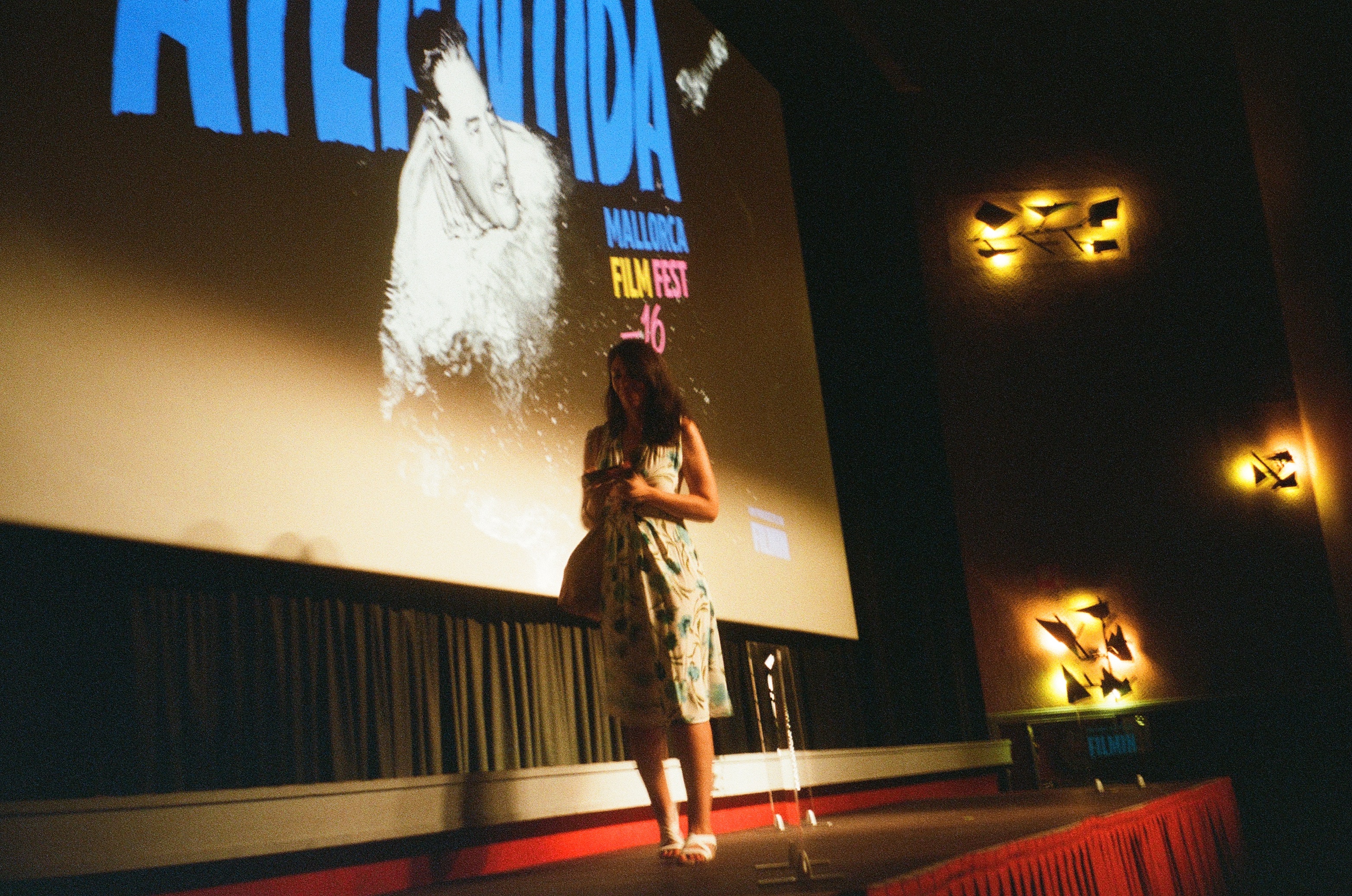
Following its premiere and warm reception in the Balearic Islands, Suportant el paradís (literally, Enduring Paradise) travels to different parts of Spain this October, with screenings followed by discussions in places where many of the questions raised by the film are beginning to hit close to home. A much-needed reflection on touristification and the transformation of a place.
Suportant el paradís was the first film project Marga Melià ever started shooting and, almost fifteen years later, the latest she has released. Somewhere along the way, Marga became a filmmaker. What began as an attempt to understand Mallorca through the eyes of its artists now brings together conversations filmed in 2012, when we were still talking about globalisation rather than overtourism.
Years later, a question from her son — "Why are we protesting against the guiris? (foreign tourists)" — gave her the final push to revisit that material and finish the film.
I studied Journalism in Barcelona, at the Universitat Autònoma. Back then, I wasn't sure which path to take. What I really loved was writing, telling stories, interviewing people, anything related to culture… I was torn betweenAudiovisual Communication and Journalism. I was also interested in Psychology, which is closely connected to storytelling, and Spanish Literature… In the end,I chose Journalism and started freelancing for different media outlets, editing and writing.
Then I interviewed Rafa Cortés for a magazine. He's a director from Mallorca who had made a film I really liked, Yo. We started talking about Mallorcan artists, about how many interesting creative people there were on the island, and I thought it might be interesting to interview them about their lives, their work and their relationship with Mallorca. About how peculiar it was to be an artist in a place known, and largely made prosperous, through something like tourism.I found that contrast fascinating.
I got in touch with them and, based on those interviews, put together a book. The interviews took place in 2009 and 2010, when nobody was really talking about touristification. People talked about globalisation. What was changing people's lives was understood, back then, as globalisation. As we reflected on what that meant for Mallorca, we were essentially talking about what we now call touristification.
It wasn't the central subject of the book, but it kept coming up in every interview. AndI noticed that the artists had a rather catastrophic outlook, let's say. It surprised me at the time. I hadn't expected them to be so pessimistic, because the effects weren't nearly as visible as they are today. But I found it fascinating and wanted to make a documentary about it.
I went back and interviewed several of them again. Not all, but quite a few. Those filmed interviews took place in 2012. Almost fifteen years have passed, and the world has changed enormously since then. I think one of the beautiful things about the documentary is precisely that: it's built, in part, around interviews from2012, with people who were already reflecting on these issues in much the same way we do today. Those conversations were already happening. There was something almost prophetic about them.
I wanted to edit the documentary back then, but it felt as though society wasn't quite ready for it. So we kept putting it off. Every year we'd return to the interviews and wonder, "How should we approach this?"
And as time went by, I started making films. It's funny, because my career as a filmmaker also grew out of connections I made through those interviews. I went on to release other projects, and yet here I am, fourteen years later, releasing the very first thing I ever filmed.
So I imagine you've updated that original material in some way…
Those interviews are my starting point. As the narrator, I weave sections of those conversations together with my own first-person reflections on what it means to be Mallorcan today.
I haven't interviewed them again. In fact, some of them are no longer with us. But even if I could have, I wouldn't have wanted to, because the documentary is also are flection on the passage of time. On how particularly sensitive people, in this case artists, can anticipate what's coming, recognise certain dangers that others haven't yet noticed.
What I did do was reach out to younger Mallorcan creatives and bring their voices into the film towards the end. What's interesting is that their perspective is very similar to that of the artists interviewed in 2012, only now they're speaking from a reality in which we talk about a housing crisis or gentrification, a word we weren't using back then either.
In the end, it's a puzzle of different elements that come together to form a collective reflection, connecting the personal with the collective, and the local with the universal.
What was it like for you to revisit all that material so many years later and finally complete the project?
It's interesting because our previous film, Cien libros juntas, is almost the opposite. Although it deals with loneliness, death and ageing, it's a very gentle, uplifting film. People left feeling inspired, wanting to read, appreciate their friendships, start a book club… And with this one, I thought:this might be an uncomfortable experience.
Because Suportant el paradís also asks us to look critically at ourselves. We areactive participants in what's happened. It's not simply that "this hashappened to us." In some way, we've all contributed, because we're allfull of contradictions.
I start with my own. My family comes from the tourism industry. Tourism is one of the reasons I was able to get an education. But at the same time, I ask myself:could we have done things better? Could we have done them differently? I think it's important to shine a light on those places we'd rather not look at.
There is room for hope, though. My son makes a little appearance in the film, and I think: perhaps there's still something we can do so that his generation can experience at least some of the Mallorca we once knew.
Making the film has certainly been therapeutic for me. In fact, any creative process is. I experienced that with the book, too. When you interview someone, something changes within you as well. You discover other worlds, other ways of thinking.
During filming, did you consider speaking to representatives of the Balearic or Spanish governments to understand the reasons behind their inaction?
There's a documentary I really like called Overbooking, by Álex Dioscórides, which is available on Filmin. It explores overtourism in Mallorca from a more journalistic perspective. It features economists, tourism experts, environmentalists, politicians, business people… I remember watching it when it came out and thinking, "Wow, I'm so glad someone has done this, even if we haven't." I always tell Álex that one day we should screen our films together, because they complement each other so well.
With Suportant el paradís, on the other hand, I've approached the subject from a completely emotional place. It's almost a psychological portrait of what someone born and raised in Mallorca feels in the face of what's happening. The helplessness, the sadness, the nostalgia, the self-criticism… and hope, if there is any. I wanted to go beyond anger.
That's why I chose artists. When I first started asking myself these questions, rather than turning to people who might give me more objective or analytical answers, like politicians or businesspeople, I decided to speak to the people who have always helped me understand the world whenever I've felt lost: artists.
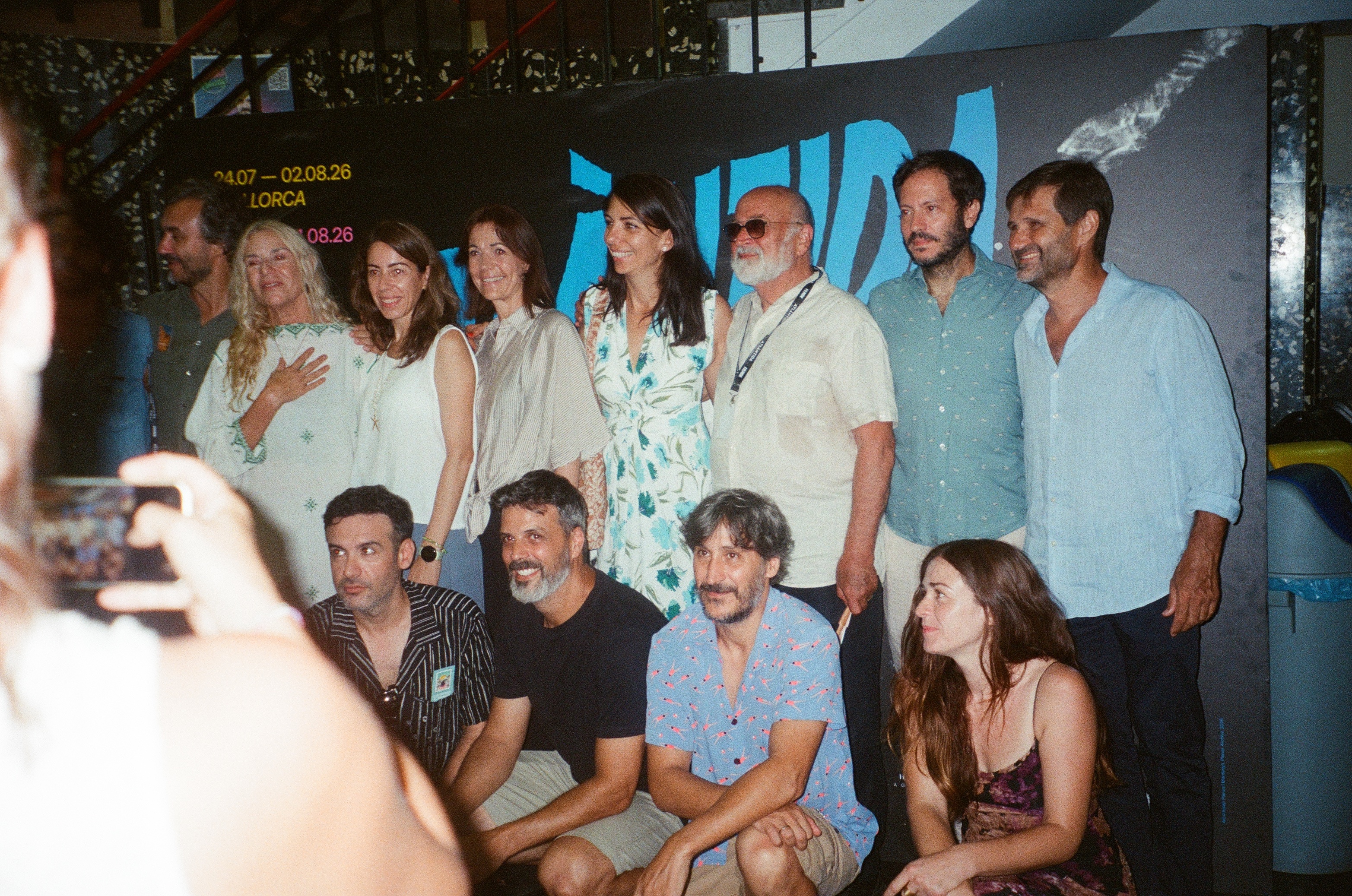
Did you grow up in a family where culture was encouraged? Reading, films, stories…
Yes, absolutely. I'm an only child, so I spent a lot of time with my parents, surrounded by adults. I always saw them reading, they read stories to me, and they loved cinema. There were no streaming platforms back then, of course. They recorded films from television onto VHS tapes and had loads of Woody Allen, Fellini… I was quite young, but I'd watch them together with my parents. That had a huge influence on me.
Now I try to do the same with my son. He's eight, he's had a library card since he was two, and little by little I'm introducing him to films, books, museums… For me, there's something very special about accompanying him on that discovery of culture, just as my parents did with me.
And of course, having a child also makes you reflect on the world we live in, how it's changed, what lies ahead, and what you'd like him to value. I always bring up motherhood, without idealising it, because it can be all sorts of things, but for me it's been important.
I think this is something really beautiful that women have brought to the cultural world. So many female directors, writers, musicians… have made subjects like motherhood, raising children, our bodies and family relationships worthy of reflection and artistic creation. Before, all of that belonged to the domestic sphere, as though it wasn't important. And it's not as if men didn't live in homes or have families too!
I think, for example, of Annie Ernaux, who writes about love, abortion, memory, her own experiences… That whole intimate territory. Because the personal is political, and I think these women have done something fundamental: they've brought into the conversation subjects that, for a very long time, were considered unworthy of being told.
Sometimes I laugh with the women in my book club and say, "God, I'm becoming less and less interested in war stories, heroic tales…" For so long, stories have revolved around wars, action, violence, great feats… With wonderful exceptions, of course. But can't we also talk about what we think, what we feel, our most intimate relationships?
The fact that women have been able to tell stories about the world from their own point of view has finally given all of that a place.
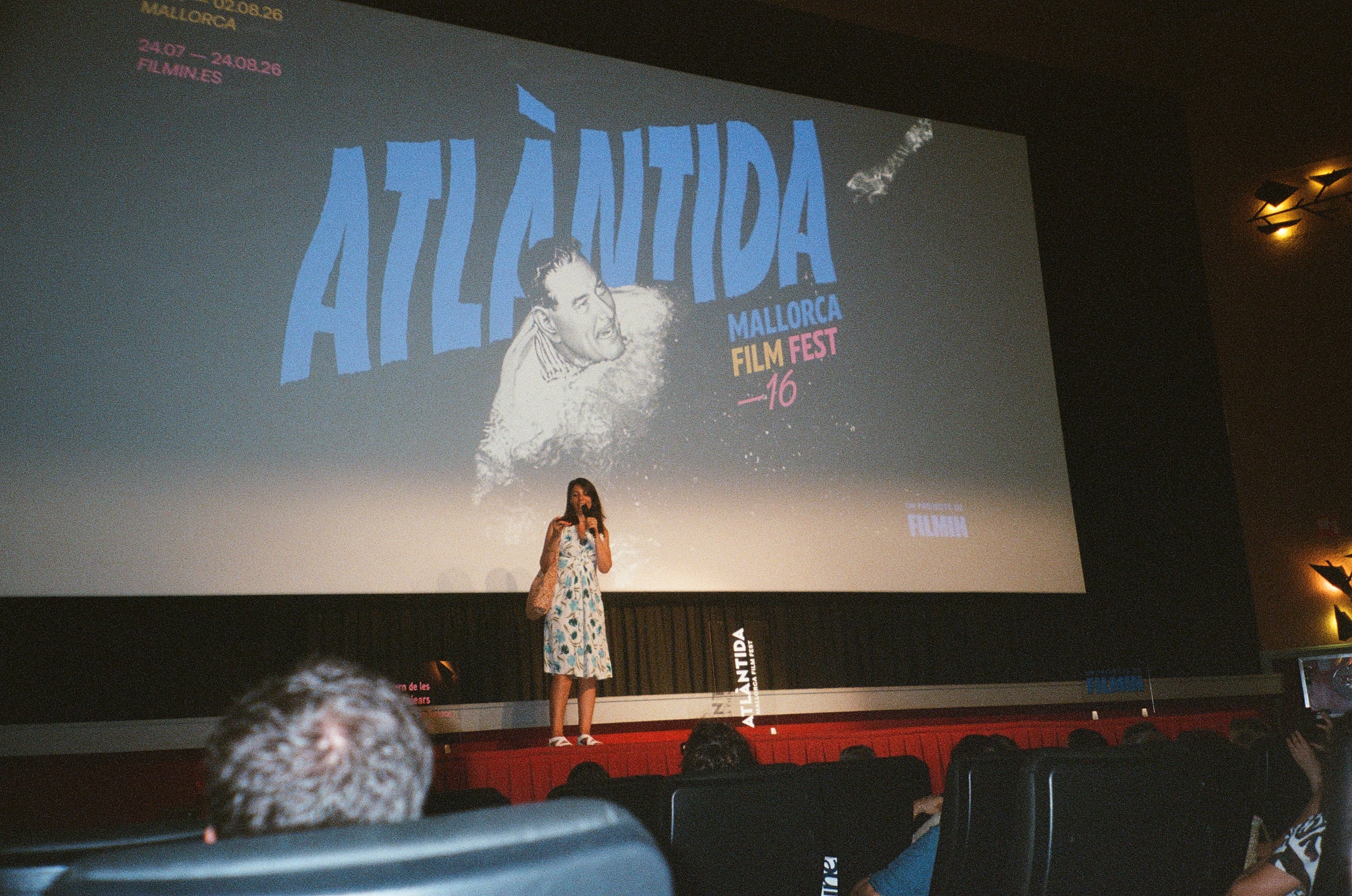
In that sense, your film Cien libros juntas offers something of an antidote to today's society, so marked by loneliness, anxiety and depression… Perhaps what really matters can be found in something as simple as a book club.
I'm glad you said that, because I always say that if everyone belonged to a book club, the planet would be a much better place.
For one thing, it would make you read. And when you read, you enter someone else's mind. For a little while, you live through their problems, you understand that there are other ways of living, suffering and finding joy beyond your own. You become more empathetic.
That alone would be a wonderful step forward. But on top of that, a book club invites you to reflect on what you've read and share it with other people. To think collectively without fighting.
That's precisely what fascinated me: their ability to debate, disagree and find common ground in their differences, without dirty looks or unpleasant gestures.
Can you imagine the four big shots who run the world sitting around a table, reflecting? Talking about how they feel… That would be the beginning of a slution. For me, that's where change happens. That's what's radical.
Sometimes we think that being radical has to mean something more transgressive, more rebellious: sex, drugs… And yes, of course, absolute freedom. But I think it's time to take another step. Empathy, dialogue… That's what's truly revolutionary, brave and modern. And it's still difficult.
There's nothing traditional about what this film portrays. For me, this is where the future should be heading. So many people have told me, "You just don't see films like this, where older women can sit around talking about life, and that's it." And that's why I'm so happy.
It can't be that every protagonist in a film has to be young and beautiful. The world is so much more than that. Everyone has an interesting story, and everyone deserves to be listened to.
Which do you feel more comfortable making, fiction or documentaries?
I love telling stories. And although it might sound strange, to me there's not such abig difference between doing that through a book of interviews, a fictions creen play or a documentary. As a viewer and a reader, I enjoy everything too:essays, novels, fiction films, documentaries…
Lately, I feel I'm finding a direction that particularly interests me, a more hybrid genre that combines real people, emotions and conversations with narrative structures drawn from fiction. Editing allows you to play with all of that so much. It's incredibly creative. Ultimately, you're bringing the two worlds together.
As a creator, you expose yourself to criticism. How do you deal with what others say about something as intimate as your own work?
In the end, it's inevitable that it affects you. People close to me say, "Don't read the reviews, good or bad." Because good reviews can be dangerous too. We all like hearing nice things about ourselves, but it's not healthy to believe that everything you do is brilliant. You have to understand that some people will connect with what you're trying to say and others won't.
What does bother me is criticism that comes from a personal place, from frustration or hatred. You can express an opinion respectfully. Personally, when I speak publicly about something, it's usually because I've liked it. I'd rather recommend things I'm enthusiastic about than spend my time criticising.
The more you put yourself out there, the more opinions come your way, good and bad. With Cien libros juntas, for example, the overwhelming majority of reviews have been wonderful. But then someone will say, "I really liked it, but why don't they go to libraries?" or "They're too cultured, too sophisticated." And I think: but this film is about them! I think it's wonderful if someone makes another film about women who are less sophisticated, who meet in different places. But this is my film.
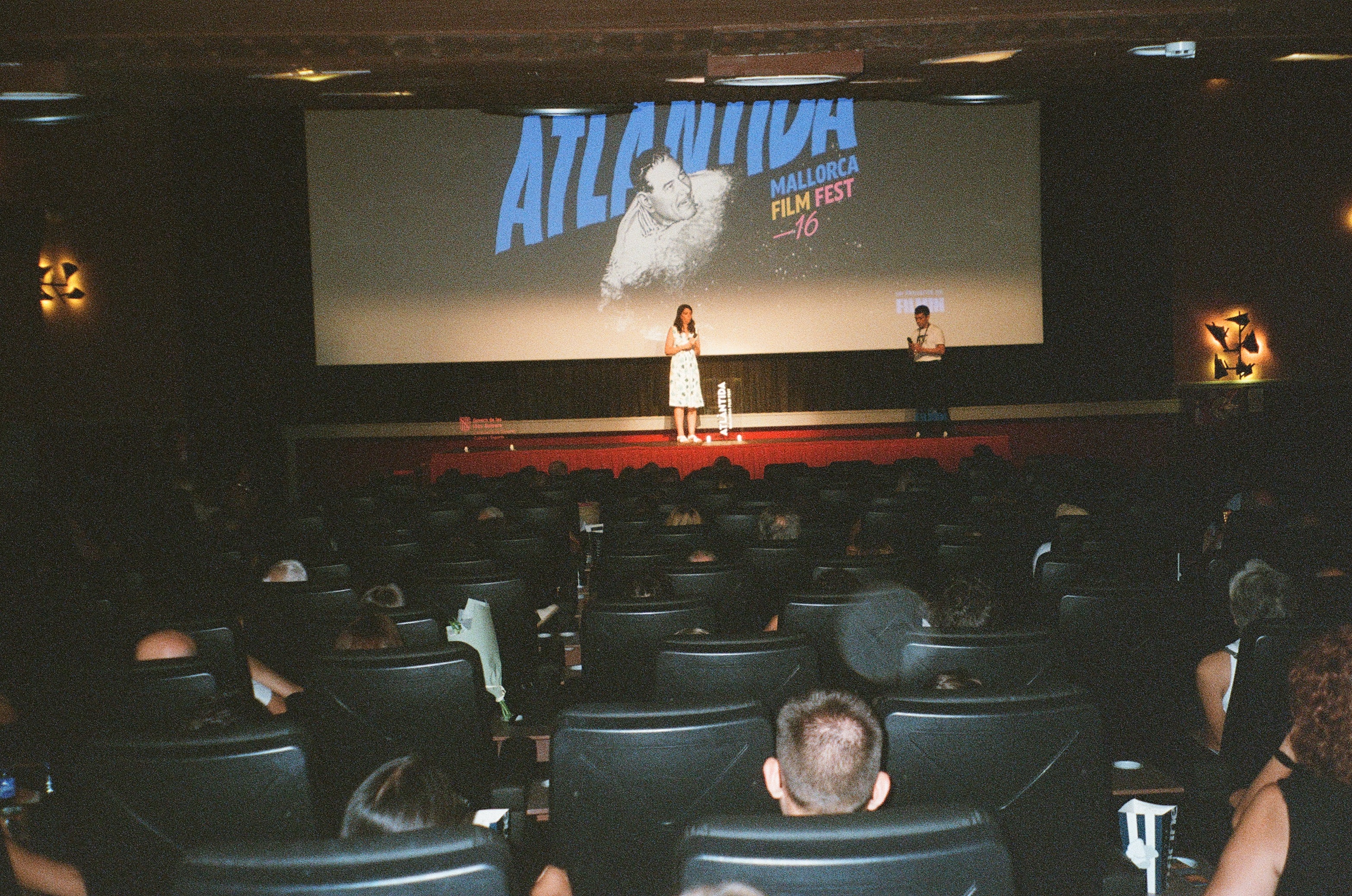
Do you struggle with insecurities when creating?
So many! I doubt myself all the time. I actually think having insecurities is a good thing, because I don't trust a creator who's absolutely convinced of their own genius. I've met incredible people, truly outstanding artists, who were also full of fears and insecurities. Modest, self-critical people. And that makes me admire them even more. I think: look, they're human, and despite everything, they're brilliant.
I've always wanted to write, for example, but I've never dared to finish anything because of my self-criticism. There's that expression, "paralysis by analysis." I'm so hard on myself that sometimes I'm surprised I've managed to finish any projects at all.
Of course I believe in what I do, and I'm happy with my films. You need a certain amount of confidence, otherwise you'd never finish anything. But with writing, for example, self-criticism has won. So far.
Ultimately, I suppose creating is a struggle between confidence, the desire to tell a story, and that voice that says, "But what could you possibly have to contribute? With all the books that have been written and all the films that have been made…" I'd never thought of it that way before, but I think it's a battle between those two forces. And sometimes one wins, sometimes the other.
I like to end by asking about other women. Is there a woman, well-known or not, whom you particularly admire and think we should know about?
Rosa Montero. Well, there are so many, so many. Isabel Coixet, for example, is a huge inspiration to me, and I've had the opportunity to meet her.
One of the lovely things about doing this work is that it allows you to connect with people you've always wanted to have a coffee with. I've been able to meet Isabel Coixet, exchange emails with Rosa Montero… Women I find fascinating.
Rosa Montero is a brilliant writer. La ridícula idea de no volver a verte, La buena suerte, El peligro de estar cuerda… And she's also generous, funny, enthusiastic, intelligent, sensitive. I think Isabel Coixet is a wonderful woman too.
And then, on a more personal level, I'm surrounded by some incredibly strong women. One of my best friends, Susana Iborra, is a psychologist and probably the person with whom I share the most intellectually and emotionally. I always show her my scripts, and we spend our days talking about emotions, how we navigate life, books, films… We're very much on the same wavelength.
